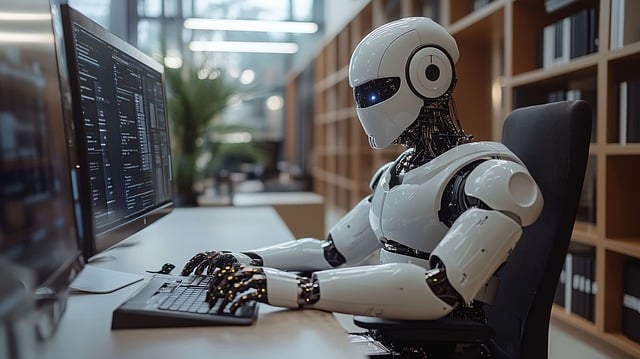

The global food system is complex, fragile, and accounts for a significant portion of the world’s resource consumption and waste. To feed a growing planet more efficiently and sustainably, the industry is turning to its most powerful tools yet: Artificial Intelligence (AI) and automation. These technologies are no longer confined to the factory floor; they are orchestrating a sweeping transformation across the entire food supply chain, from the soil to the consumer’s table.

Precision Agriculture: Smarter Farming
The journey of food begins with smart farming, where AI is optimizing every ounce of input.
Resource Optimization: AI analyzes massive datasets encompassing soil health, weather patterns, historical crop yields, and satellite imagery. Using this predictive power, farmers can apply water, fertilizer, and pesticides only where and when needed. This targeted approach, known as precision agriculture, drastically reduces waste and minimizes the environmental footprint of farming.
Early Detection and Robotics:
AI-powered computer vision systems on drones and autonomous tractors can spot early signs of crop disease or pest infestation long before the human eye. Robotic harvesters, guided by AI, ensure that crops are picked at peak ripeness with high precision, maximizing yield and quality.
Optimizing the Supply Chain: Fighting Spoilage
The trip from farm to table is a logistical minefield where most food loss occurs. AI is the secret weapon against spoilage and inefficiency.
Predictive Demand Forecasting
Machine learning algorithms analyze historical sales data, promotional calendars, seasonal trends, and even local weather forecasts to predict consumer demand with unprecedented accuracy. This is crucial for perishable goods like dairy and fresh produce, allowing manufacturers and retailers to align production and inventory, preventing massive overproduction and understocking.

Logistics and Cold Chain Monitoring:
AI determines the most efficient delivery routes for trucks, accounting for traffic and capacity. Furthermore, IoT sensors linked to AI monitor the “cold chain” (temperature and humidity) in real-time throughout transport and storage. If the temperature in a shipping container rises unexpectedly, the AI system immediately alerts managers, allowing for proactive intervention to save the shipment and prevent mass spoilage